
In the fast-paced world we live in today, our homes have become more than just living spaces. They are sanctuaries where we recharge, reconnect, and seek balance. Among countless design trends, minimalism continues to stand out as one of the most enduring and universal. But what makes minimalist interiors so timeless — and why do they resonate with people across cultures and lifestyles?
Less, but Better
Minimalist design is not about stripping away personality. Instead, it’s about refining a space until only what truly matters remains. Clean lines, functional layouts, and uncluttered rooms allow both the mind and body to rest. A minimalist home often feels larger, calmer, and more harmonious simply because every detail has been carefully considered.

Light as a Design Element
One of the key features of minimalist interiors is the celebration of natural light. Large windows, neutral palettes, and reflective surfaces amplify daylight, creating an atmosphere that feels open and uplifting. Thoughtfully placed artificial lighting — such as hidden LED strips or sculptural pendant lamps — complements the natural glow, adding depth and warmth when the sun sets.
The Role of Materials
Minimalism thrives on authenticity. Instead of decorative excess, it emphasizes textures and materials that speak for themselves. Natural wood, stone, and linen bring warmth and tactility into an otherwise simple space. A polished concrete floor, for example, can look striking when paired with soft textiles and wooden accents. The contrast is subtle yet powerful.
Personalization Through Details
Contrary to popular belief, minimalist spaces don’t have to feel empty or impersonal. The beauty lies in small, intentional details. A single piece of art, a designer chair, or a sculptural vase can become the statement of the room. By carefully curating these elements, homeowners create spaces that reflect their identity without overwhelming the senses.
The Psychological Benefit
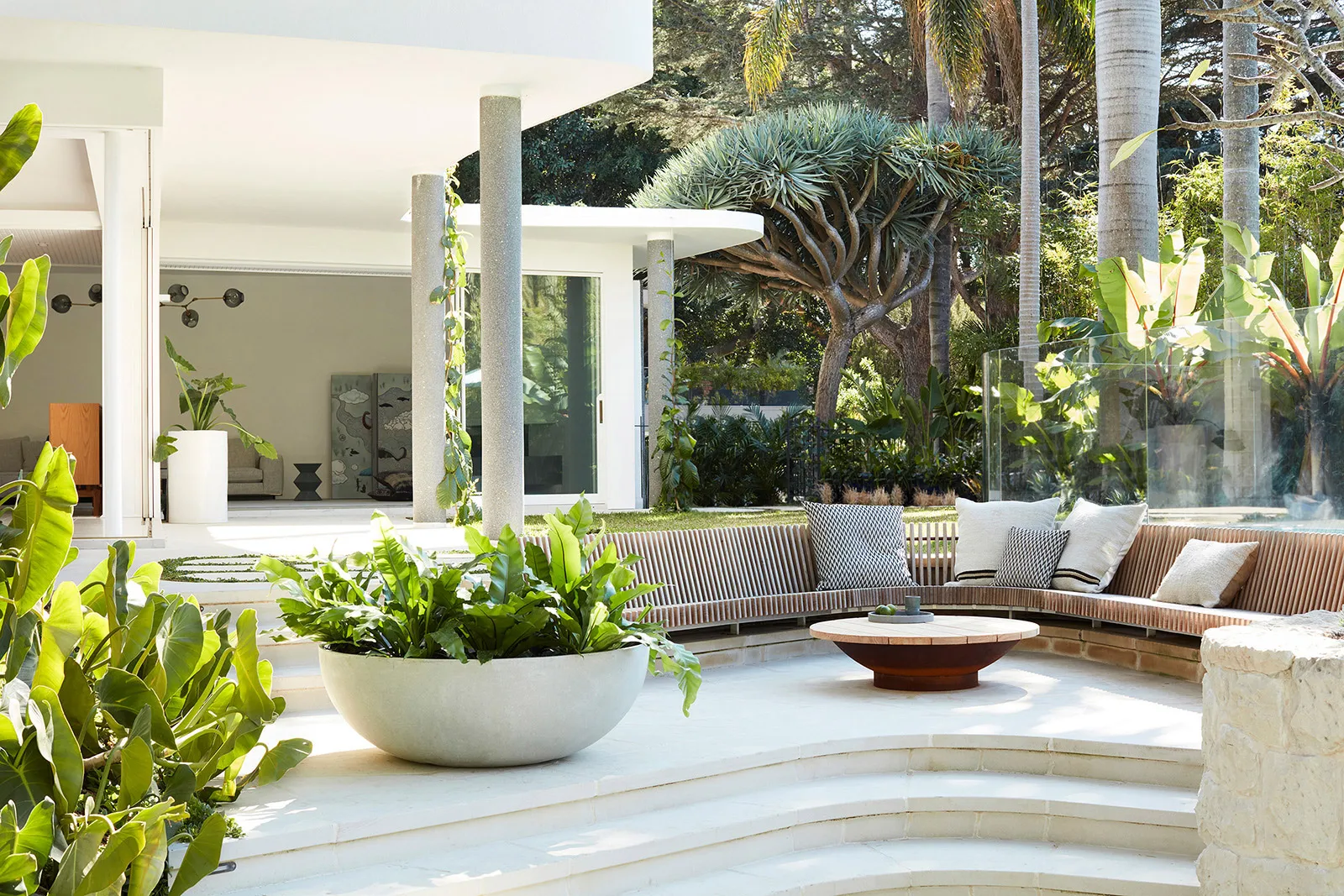
Perhaps the strongest reason for minimalism’s timelessness is its effect on well-being. Studies show that cluttered environments can increase stress, while clean and organized spaces promote focus and relaxation. A minimalist home, therefore, is not just about style — it’s about creating a healthier lifestyle.
Beyond the Trend
While many design movements come and go, minimalism evolves with time. Today, we see a softer, more human-centered version of minimalism emerging — one that values comfort as much as aesthetics. Warm color palettes, layered textures, and flexible furniture solutions make spaces both livable and elegant.
Final Thoughts
Minimalism is not a passing trend but a design philosophy that adapts to our changing needs. By focusing on simplicity, authenticity, and balance, it allows us to create homes that nurture, inspire, and withstand the test of time.
At V2 Studio, we believe that every project is an opportunity to show how minimalism can be both functional and deeply personal. Whether it’s a city apartment or a countryside retreat, the principle remains the same: less, but better.